
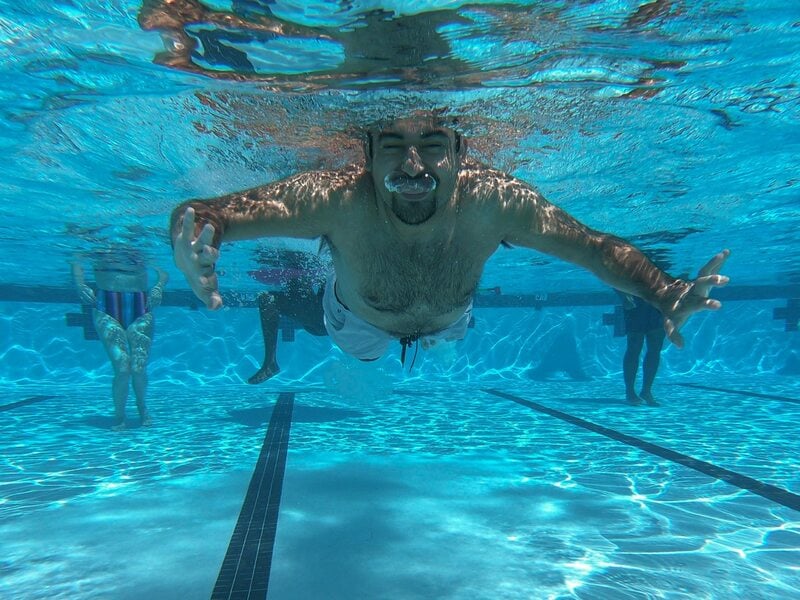
Thinking about starting your diving adventure? Find out how this activity affects your health and what you need to know before your first dive.
Diving is becoming more and more popular - both among young people and among the elderly. However, it should be emphasized that this way of spending free time, not without reason classified as extreme sports, is associated with many different dangers. Make sure everyone can do it.
Diving has many names
Diving is actually a collective name for many different activities. Not all of them require special training. The safest form is swimming just below the surface of the water while holding your breath (for a relatively short time, of course). To dive to great depths, you need to take a professional course and buy the right equipment (mask, snorkel, suit, fins and oxygen tank). The highest level of “initiation” in diving is diving under water to a depth of less than 40 meters. It is carried out by professionals with extensive knowledge, skills and rich, many years of experience.
Is diving good?
Proponents of diving have no doubt that this activity has a positive effect on the human body. First of all, it reduces tension and reduces stress. It calms and helps to find inner balance. Improves blood supply to tissues and organs. As a result, the internal organs are better saturated with oxygen and work more efficiently.
Being under water unloads the musculoskeletal system. This is one way to prevent back pain. At the same time, it strengthens the muscles of the legs, abdomen, buttocks and arms. Diving allows you to correct the figure and lose extra pounds. Of course, in this case, much depends on the intensity of “underwater training” and the amount of time spent at depth. Nutrition is also of great importance.
What’s more, diving supports the body’s immune response and lowers blood pressure, and therefore reduces the risk of cardiovascular diseases such as heart attack or stroke. Systematic training under water will improve the overall performance of the body.
Can anyone dive?
Contrary to what you might think, diving is not for everyone. The most important contraindication for this type of activity is poor health, in particular the presence of neurological diseases (for example, epilepsy), anxiety disorders, diseases of the respiratory system (for example, asthma) and the cardiovascular system (for example, coronary heart disease).
Therefore, before starting your underwater adventure, you should consult a therapist who, after conducting a medical survey and familiarizing yourself with the patient’s situation, will determine whether there are contraindications for underwater activities. He will also refer - if necessary - for special tests, such as an ECG or X-ray. The doctor must issue a certificate of no contraindications to diving.
Inexperienced people should always dive with the help of a professional instructor. Initially, diving can lead to ENT problems such as blocked Eustachian tubes, inflammation of the ear or sinuses.
Source: Wprost

I have worked in the news industry for over 8 years. I have a deep understanding of how the news industry works and how to get information out to the public. I am also an author at Daily News Hack, where I mostly cover health news. I have a keen interest in health and fitness, and I firmly believe that knowledge is power when it comes to taking care of your body. I want to help people live healthier lives by sharing my knowledge with them, and LinkedIn is the perfect platform for me to do that.