
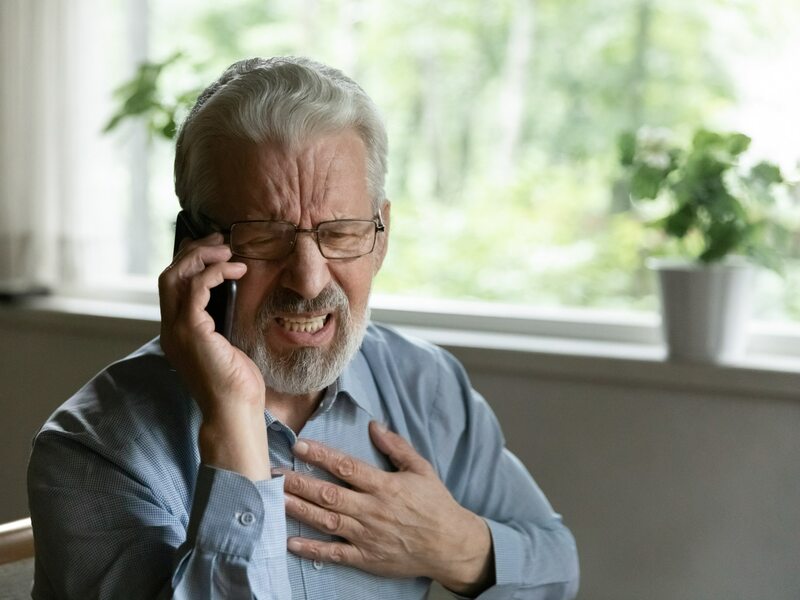
Cardiogenic shock is a life-threatening condition that is an extreme form of heart failure. Lack of proper first aid and timely treatment can quickly lead to metabolic acidosis and damage to internal organs. What are the common causes and symptoms of cardiogenic shock? See how the treatment is going.
- Causes of cardiogenic shock
- Criteria for diagnosing cardiogenic shock
- Symptoms of cardiogenic shock
- How to provide first aid to a person with symptoms of cardiogenic shock?
- Treatment of cardiogenic shock
Cardiogenic shock is a life-threatening condition. This is a type of shock in which severe heart failure leads to cardiac arrest. Shock is the body’s response to the lack of an adequate supply of oxygenated blood to the tissues. There are several types of shock, the classification of which takes into account different criteria. According to shock-inducing mechanisms, among others, shock caused by obstructed or blocked blood flow to large blood vessels, which can cause, for example, cardiac tamponade, cardiac rupture and pulmonary embolism. Cardiogenic shock is shock caused by acute and chronic diseases of the heart muscle. Cardiogenic shock can be caused, for example, by arrhythmias, myocardial infarction, and valvular heart disease.
Extreme heart failure and associated symptoms of cardiogenic shock are common complications of treatment in the intensive care unit. Cardiogenic shock is associated with high mortality. The group at increased risk associated with cardiogenic shock and death from acute heart failure includes, for example. elderly people suffering from diseases of the heart muscle, people who have had an extensive myocardial infarction, as well as people who have suffered a mechanical injury to the heart.
It is worth learning more about the causes, symptoms and first aid rules for the onset of symptoms of cardiogenic shock, because the correct behavior before the ambulance arrives affects the patient’s prognosis.
Causes of cardiogenic shock
The causes of cardiogenic shock were divided into three groups. This concomitant causes:
- heart rhythm are supraventricular arrhythmias, ventricular arrhythmias and bradycardias.
- myocardium - this is, for example, left or right ventricular infarction, acute myocarditis, endocarditis, ischemic cardiomyopathy, ventricular hypertrophy and other heart diseases, the use of drugs that affect the functioning of the heart muscle (the cause of cardiogenic shock can be, for example, the use of calcium antagonists and antidepressants) .
- mechanical damage to the heart muscle - for example, rupture of the interventricular septum, rupture of the free wall of the heart and other mechanical complications of myocardial infarction, hypertrophic cardiomyopathy, aortic dissection, heart tumor, blood clots in the ventricles or atria, cardiac injury.
In most cases, the cause of cardiogenic shock is left ventricular systolic failure due to acute myocardial infarction, both with and without ST segment elevation.
Cardiogenic shock indicates failure of the heart as a pump. It is diagnosed on the basis of criteria that take into account the parameters of the work of the heart.
Criteria for diagnosing cardiogenic shock
Typical symptoms that can lead to a diagnosis of cardiogenic shock include:
-
systolic pressure
-
low peripheral pressure
-
heart rate 2,
-
pulmonary wedge pressure > 15.
In connection with the deterioration of the patient’s condition, the introduction of catecholamines is necessary to stabilize the patient’s condition and the use of intra-aortic counterpulsation.
By definition, cardiogenic shock is an extreme form of heart failure in which cardiac output falls below 2.2 L/min/min.2excess of autoregulatory capabilities to maintain proper tissue perfusion. Cardiogenic shock leads to the accumulation of metabolic acidosis at the tissue level, damage to internal organs and, if untreated, to the death of the patient.
Cardiogenic shock is diagnosed on the basis of heart parameters using specialized equipment in a hospital setting. We are unable to diagnose this ourselves, but you should be aware of the symptoms that may indicate heart failure.. When they occur, you must immediately call an ambulance. Properly rendered first aid to a conscious patient and a patient who has undergone cardiac arrest and circulatory arrest can improve his prognosis!
Symptoms of cardiogenic shock
Symptoms that may indicate cardiogenic shock include:
-
general weakness,
-
chest discomfort
-
pale skin,
-
decrease in body temperature,
-
fast breathing,
-
disturbances of consciousness
-
excessive sleepiness,
-
anxiety,
-
slurred speech
-
confusion,
-
oliguria,
-
cold sweat
-
cyanosis,
-
dyspnea.
Symptoms characteristic of cardiogenic shock may precede symptoms of a heart attack, i.e.:
-
chest pain,
-
bridge baking,
-
pain in the shoulder blades that radiates to the shoulder, neck, or jaw
-
cardiac arrhythmia,
-
numbness of the left hand.
Myocardial infarction and other heart diseases, as well as the cardiogenic shock associated with them, require specialized medical care. Lack of medical care leads to the death of the patient.
How to provide first aid to a person with symptoms of cardiogenic shock?
First aid for cardiogenic shock includes techniques recommended for all suspicions of heart disease.
If the patient is conscious, then:
-
call for help by calling the emergency number 112 or 999,
-
loosen the patient’s clothes - unbutton the collar of the shirt, loosen the waistband of the trousers to facilitate breathing,
-
provide the victim with access to fresh air, for example, open a window wide,
-
put the patient in a slightly elevated position,
-
calm the patient and maintain constant contact with him,
-
follow the instructions of the medical dispatcher.
If the casualty is unconscious but breathing on his own, place him in a stable position on his side, protect the victim from cooling, for example, cover him with a thermal blanket and follow the instructions of the medical dispatcher while waiting for the ambulance to arrive. .
If the victim stops breathing and has a cardiac arrest, immediately begin cardiopulmonary resuscitation, including heart massage and mouth-to-mouth breathing!
Treatment of cardiogenic shock
After the diagnosis of cardiogenic shock is established, therapeutic measures begin to save the patient’s life. As already mentioned, cardiogenic shock is associated with a high risk of death. This applies primarily to patients with extensive myocardial infarction, who often develop cardiogenic shock in the first hours after a heart attack.
The priority in the treatment of cardiogenic shock is the prevention of its complications, which include damage to internal organs as a result of their hypoxia. It is also necessary to identify and eliminate the cause of cardiogenic shock. Thanks to modern medical equipment, diagnostics can be carried out in a short time. In the case of myocardial infarction leading to cardiogenic shock, it is necessary to open the coronary vessels. Patients are treated with pharmacotherapy, fluid therapy, and mechanical ventilation.
Other methods are also used in the treatment of cardiogenic shock, such as cardiac surgery to implant vascular shunts.
The method of treatment is selected individually depending on the state of health of the patient, as well as the causes that led to cardiogenic shock. Despite the efforts of doctors, patients in whom cardiogenic shock was caused by a massive myocardial infarction often die - 40-60 percent. the highest-risk patients are not saved.
Sources:
-
Shimansky F.M., Filipyak K.J.: Cardiogenic shock - diagnostic and therapeutic possibilities in the light of new scientific data, Anesthesiology Intensive Care, 2014, 46, pp. 301–306.
-
Robert Kovalik, Eva Scherba, Cardiogenic shock - definition, causes, treatment, Heart and vascular diseases, Vol. 15, No. 3, 2018, pp. 188-192
Source: Wprost

I have worked in the news industry for over 8 years. I have a deep understanding of how the news industry works and how to get information out to the public. I am also an author at Daily News Hack, where I mostly cover health news. I have a keen interest in health and fitness, and I firmly believe that knowledge is power when it comes to taking care of your body. I want to help people live healthier lives by sharing my knowledge with them, and LinkedIn is the perfect platform for me to do that.