
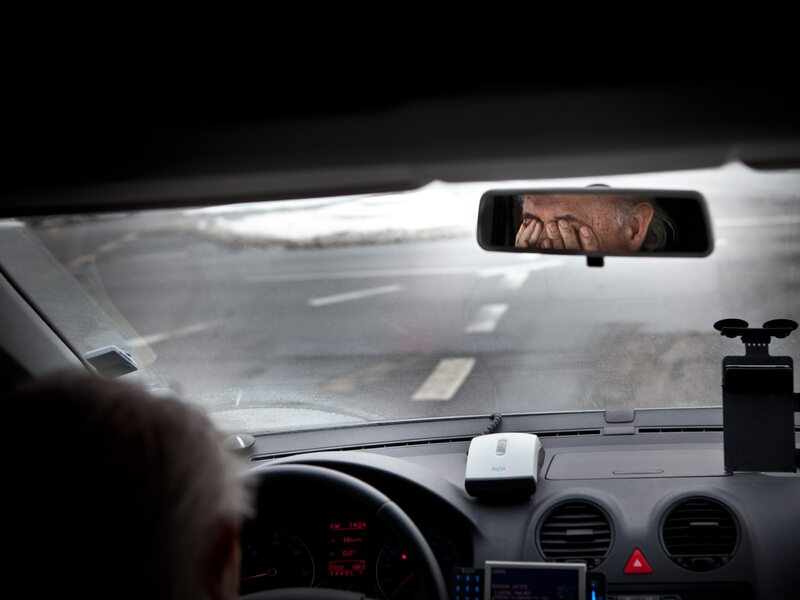

Before you start using the medicine, you should read the information in the package leaflet. Let’s find out if this drug affects psychomotor performance, forcing you to stop driving. We explain which drugs should not be used to drive and whether supplements can impair psychomotor performance.
- What side effects can medications cause? How do they impair your ability to drive?
- What drugs are not allowed to drive a car?
- Herbs and dietary supplements and psychomotor
Pharmaceutical drugs taken can not only cause side effects that affect overall well-being, but also affect psychomotor performance. If we notice such an effect of the drug on the body, we should stop driving a car and working with mechanisms.
Before using pharmaceuticals, you should familiarize yourself with the list of side effects and the effect of a particular drug on the functioning of the central nervous system - even a seemingly harmless drug can cause serious problems. The group of drugs that can cause loss of ability to drive a car includes, for example, some antihistamines.
Drug-induced accidents that involve an increase in reaction time are not uncommon. When treating with the use of certain groups of drugs, for example, painkillers, hypnotics, antidepressants and sedatives, you should completely abandon the management of vehicles and mechanisms.
By following the rules for the safe use of medicines, we can protect not only ourselves, but also third parties who may suffer as a result of a decrease in the psychophysical performance of the driver. It is important to note that even in the case of drugs that do not affect psychophysical fitness, side effects may occur, which are also indications for refusal to drive.
It is worth finding out after which drugs you can not drive a car, thanks to which we will avoid the serious risk of driving under the influence of substances that can disrupt thought processes, as well as cause changes in mood or behavior.
What side effects can medications cause? How do they impair your ability to drive?
You can not drive a car after taking various psychoactive substances. These include not only alcohol and drugs, but also some drugs that affect psychomotor activity. We often do not carefully read the instructions for medicines, which can lead to an accident. Your doctor or pharmacist should tell you that taking this or that drug may interfere with brain function, such as causing drowsiness.
Other side effects include:
-
overstimulation or oversedation
-
increase in reaction time,
-
dizziness,
-
imbalances.
Most drug side effects should make us stop driving. The ability to drive a car depends not only on knowledge and experience, but also on the work of our brain. If we are under the influence of drugs that affect the nervous system or feel unwell, we are a threat on the road.
Responsible driving, as well as the safe use of pharmaceuticals, is a priority not only for professional drivers. Most vehicle users do not check to see if the drug makes it impossible to drive a car, affecting psychophysical abilities. Difficulty concentrating, drowsiness, dizziness, and other symptoms that make driving difficult can also be caused by herbal medicines, such as valerian, which is often taken to calm emotions.
Pharmaceuticals, herbal remedies, and psychoactive substances, such as alcohol and drugs, can interfere with cognition, concentration problems, and visual disturbances, as well as distance and coordination problems. This means that under their influence we expose ourselves and other road users to serious danger.
What drugs are not allowed to drive a car?
The list of drugs that disrupt the functioning of the nervous system is long. They can cause different symptoms and affect your ability to drive in slightly different ways. The group of drugs that are an absolute contraindication to driving a car includes:
- Narcotic painkillers (opioid painkillers such as morphine and tramadol) - have a strong effect on the nervous system, which can lead to drowsiness, excessive agitation or excessive sedation, and difficulty in making decisions;
- non-narcotic painkillers with caffeine and pseudoephedrineas well as other drugs that have a strong analgesic effect - cause impaired concentration and lengthen the reaction time;
-
Some antidepressants (for example, tricyclic) - they can be excessively soothing, disturb the accommodation of the eyes and otherwise limit the psychophysical capabilities;
-
Some drugs for hypertension - cause fatigue, which impairs psychomotor activity;
- First generation antihistamines (for example, clemastine and hydroxyzine) - disrupt the coordination of movements, lengthen the reaction time and cause drowsiness;
- Second generation antihistamines (for example, loratadine, fexofenadine) - disrupt the coordination of movements, lengthen the reaction time and cause drowsiness;
- Sleeping pills from the group of barbiturates and benzodiazepines - in therapeutic doses, they have a strong sedative effect, slowing down the reaction time, disrupting concentration and causing, for example, imbalance; at higher doses, they cause excessive drowsiness.
Other medicines that affect the ability to drive include: certain diabetes medications, neuroleptics, anti-anxiety medications, and medications for Parkinson’s disease.
It is worth knowing that the above drugs affect the ability to drive vehicles to varying degrees, which is associated, among other things, with the dose of the drug taken and the individual body’s response to the drug substance. However, their negative impact on psychomotor performance should not be underestimated, based on general well-being, which can change rapidly.
In addition, the ability to drive a car is deteriorating. local anesthetics used, for example, in a dental office and in the ophthalmology office. General anesthesia is also a contraindication to driving.
Herbs and dietary supplements and psychomotor
A decrease in psychomotor skills may also be associated with the action of dietary supplements containing substances with a sedative effect. Herbal preparations for stress, neurosis or insomnia are often abused, as they are considered completely safe for health.
Herbal preparations can also cause side effects, affecting concentration, cognition, reaction speed.as well as causing, for example, drowsiness and dizziness, making it impossible to drive a vehicle.
Sources:
- “Basic medical care. safe pharmacotherapy. Patient Information”; Dr. Yaroslav Voron - specialist in clinical pharmacology
- Krzysztof Dymura, Yaroslav Voron, Andrzej Skowronski - Drugs and driving. Theory and practice of security 2013 №3 (XII)
Source: Wprost

I have worked in the news industry for over 10 years. I have a deep understanding of how the news industry works and how to get information out to the public. I am also an author at Daily News Hack, where I mostly cover health news. I have a keen interest in health and fitness, and I firmly believe that knowledge is power when it comes to taking care of your body. I want to help people live healthier lives by sharing my knowledge with them, and LinkedIn is the perfect platform for me to do that.