
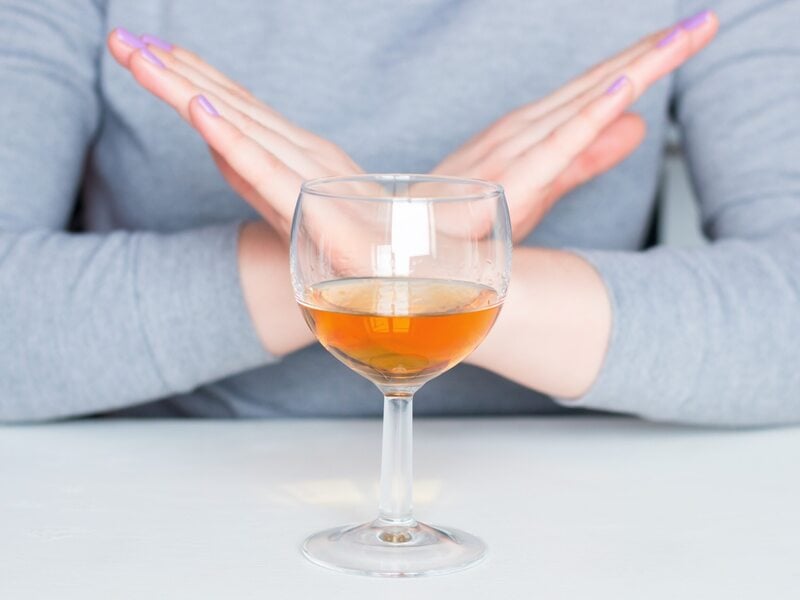
Alcohol allergy is rare. Given the frequency of alcohol consumption in the adult group, it accounts for a small percentage of allergic reactions. However, many people may not be aware that they are allergic to alcohol or that their body is overreacting to compounds found in alcohol. See how an allergy to alcohol manifests itself.
- Adverse reactions after drinking alcohol
- Alcohol allergy and alcohol intolerance
- Alcohol allergy symptoms
- Symptoms of non-allergic hypersensitivity to alcohol
- What alcohol most often causes allergies?
- How to prevent the occurrence of adverse reactions after drinking alcohol?
Alcohol allergy is sometimes seen as an excuse for people who, for various reasons, do not want to drink alcohol. However, an allergy to alcohol has been confirmed by scientific studies. Moreover, it not only causes life-threatening symptoms such as conjunctival redness and runny nose, but can also lead to life-threatening conditions such as airway edema and anaphylactic shock.
It’s worth knowing that alcohol allergy symptoms and alcohol intolerance symptoms are different. An important difference in the case of allergy and alcohol intolerance is the min. the time of occurrence of unpleasant ailments. In the case of allergies, the symptoms associated with the release of histamine appear shortly after exposure to the allergen. Intolerance is most often associated with the appearance of symptoms that spread over time. In the case of allergic intolerance, we also deal with the occurrence of long-lasting symptoms - the symptoms of the allergy subside as a result of the absence of contact with the allergen.
While alcohol allergy is rare, it can develop at any stage in life. It is worth learning more about the causes, symptoms, and complications of an alcohol allergy because it can sometimes be life-threatening.
Adverse reactions after drinking alcohol
Various adverse reactions can occur as a result of drinking alcohol. Depending on how often we reach for low-alcohol and strong alcohols, their effect on the body is different. Alcohol consumed frequently or in large quantities is harmful to health, leads to the development of diseases of the liver and pancreas and addiction!
Occasional alcohol consumption in most cases does not pose a health risk if consumed in moderation. Heavy drinking is associated with unpleasant hangover symptoms, including dehydration, hypoglycemia, and acetaldehyde poisoning—alcohol is a poison that our liver must neutralize. Typical hangover symptoms include: headache, dizziness, photophobia, nausea, vomiting and general weakness.
Alcohol allergy and alcohol intolerance
Intolerance symptoms and allergy symptoms can occur after drinking alcohol. An alcohol allergy is a non-physiological reaction of the immune system to compounds found in alcohol. It appears as a result of contact with a specific allergen, which is part of the drink. This can happen, for example, only after drinking beer or wine. Alcohol intolerance is a metabolic disorder. The cause of alcohol intolerance is the absence or deficiency of enzymes necessary for the metabolism of compounds found in alcohol. In the case of non-allergic hypersensitivity, we most often deal with the reaction of the body to contact, for example. however, with sulfite compounds, symptoms of intolerance can also be caused, for example, by inhibition of histamine metabolism.
There are several mechanisms associated with an allergic reaction and hypersensitivity to alcohol. In both cases, it is necessary to abandon the use of alcohol, which is harmful to health.
Alcohol allergy symptoms
Allergy to alcohol causes identical symptoms, for example, allergies to pollen and animal dander. After drinking alcohol, allergic symptoms may appear, such as:
-
runny nose,
-
sneezing,
-
dry cough,
-
itchy eyes.
Sometimes alcoholic beverages and associated allergies also cause facial flushing, skin changes, and gastrointestinal symptoms.
A small percentage of people who are allergic to alcohol experience life-threatening symptoms such as throat swelling, bronchospasm, and anaphylactic shock. Anaphylactic shock is indicated by severe symptoms affecting multiple systems. Symptoms of anaphylactic shock include: increasing swelling of the tongue and throat, palpitations and other cardiovascular symptoms, a sharp drop in blood pressure, itching, anxiety, shortness of breath, dizziness, nausea.
Important! Alcohol allergy can develop at any stage of life. In addition, alcohol allergy complicates the treatment of chronic lower respiratory diseases, causing, among other things, exacerbation of asthma symptoms, which is a common complication of inhalation allergy.
Life-threatening allergic reactions to alcohol are very rare. They are exposed to eg. people with a confirmed allergy to alcohol who do not refuse to drink it.
Symptoms of non-allergic hypersensitivity to alcohol
People with non-allergic alcohol hypersensitivity may have gastrointestinal symptoms and mild skin symptoms, such as flushing of the face and décolleté. It happens that as a result of alcohol intolerance, hot flashes and a deterioration in general well-being occur. Respiratory symptoms in hypersensitivity are rare.
After observing adverse reactions to alcohol, it is necessary to stop drinking it.
What alcohol most often causes allergies?
Most often, allergic reactions occur after beer and red wine, as well as tinted vodkas, tinctures, liqueurs and other alcohols, which include fruits, cereals, yeast, as well as flavors, dyes and preservatives.
The least adverse reactions occur after drinking pure vodka, because pure alcohol is not a full-fledged allergen.
It is worth remembering that the symptoms of food allergies, for example, to cereals and fruits, are an indication for the rejection of alcoholic beverages containing allergens that sensitize us. Alcohol contained in, for example, cosmetic and medical products can also be allergenic. Contact dermatitis can occur as a result of an allergic reaction to alcohol contained in, for example, cosmetics.
How to prevent the occurrence of adverse reactions after drinking alcohol?
The only way to prevent an allergic reaction and intolerance symptoms is to avoid drinking alcohol.
Sources:
-
Pavliczak R., Allergology - collection, Wydawnictwo Termedia, Poznań, 2018
-
MD M. Bohenska Marciniak, dr. hab. N.med.M.Kupchik, Alcohol intolerance in the practice of an allergist, 08.10.2017
-
Obtulovich K., Allergology, Wydawnictwo Lekarskie PZWL, Warsaw, 2016
Source: Wprost

I have worked in the news industry for over 8 years. I have a deep understanding of how the news industry works and how to get information out to the public. I am also an author at Daily News Hack, where I mostly cover health news. I have a keen interest in health and fitness, and I firmly believe that knowledge is power when it comes to taking care of your body. I want to help people live healthier lives by sharing my knowledge with them, and LinkedIn is the perfect platform for me to do that.