
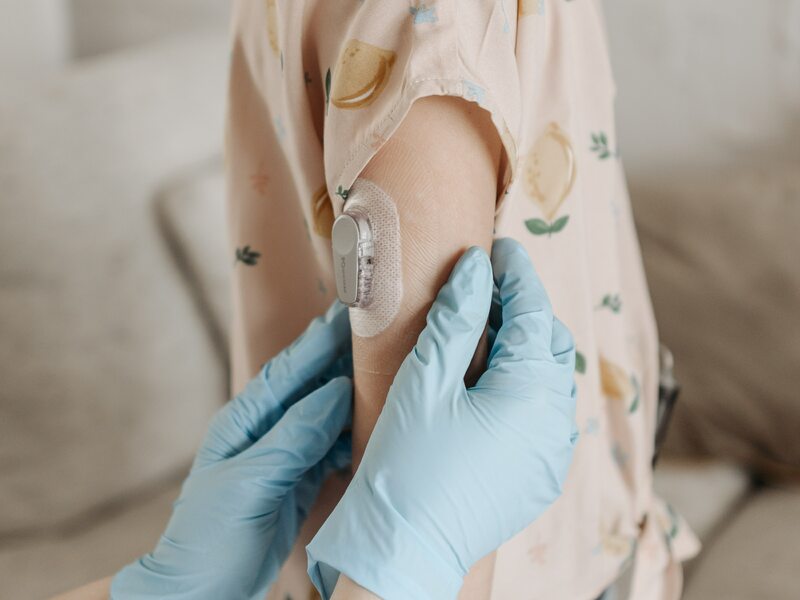

Effective January 1, 2023, the reimbursement policy for continuous glucose monitoring systems has changed. The key change is that people over the age of 26 can get a refund. We check how the new solution works in practice.
For two months now, diabetes in Poland has been functioning in a new reality. Until now, CGM (continuous glucose monitoring) has only been reimbursed for people under 26 years of age. When one of the patients exceeded this age, he had to pay for the equipment himself. Diabetics disagreed with such rules, arguing that diabetes does not go away with age. In practice, it looked like people who did not have financial resources refused to constantly monitor glycemic levels.
Moreover, 26 years is the age when a young person usually just begins to earn his own money. Moves out from parents, often creates a family during this period, some are expecting a child. An additional load of several hundred zlotys per month exceeded the financial capabilities of many diabetics. This had its consequences. The exit from the monitoring system led to the loss of glycemic control, which, in turn, led to the development of complications of the disease, incl. to episodes of hypoglycemia.
Violetta Siech-Haglauer, a nurse and diabetes educator, works daily with patients with diabetes. As someone who herself has suffered from type 1 diabetes for 20 years, she considers this change revolutionary. I also observe great interest in the topic among adolescents and parents of small diabetics. “What we have been fighting for for many years has finally become a reality. Because of this, diabetics think about the future with more peace of mind,” he says.
The criteria for reimbursement of expenses for persons over 26 years of age are set out in the Decree of the Minister of Health of October 27, 2022 amending the regulation on the list of medical devices issued on order.
Doubts of diabetics and doctors
Doctors of various specialties can apply for the GPS compensation system - this change causes skepticism in some medical circles. There are voices that physicians other than diabetology require education in this area. Like older people, many of them choose traditional solutions over modern technologies.
However, it will take even more time before both patients and diabetologists get used to the new rules. Some provisions of the order raise doubts and raise questions. That is why the General Board of the Polish Diabetes Association issued a statement.
“The experience of the first weeks of the new reimbursement rules for both therapy teams and patients shows that with the complexity of records and differences due to age and therapy used, legitimate questions need to be answered,” we read on the site. ZGTD website. Detailed explanations of topics in reimbursement reports can be found on the website of the Polish Diabetes Society.
The patient can receive an application for GPS from the attending physician and doctors specializing in the following areas:
-
diabetology,
-
pediatric endocrinology and diabetology,
-
endocrinology and pediatrics,
-
cardiology,
-
endocrinology,
-
geriatrics,
-
Obstetrics and gynecology,
-
perinatology,
-
gynecological and reproductive endocrinology,
-
pediatrics or internal medicine working in a diabetes clinic or department.
Continuation orders can be made by a nurse or midwife working in a diabetes clinic or departmentfor up to 6 months from the date indicated in the medical records.
Source: Wprost

I have worked in the news industry for over 10 years. I have a deep understanding of how the news industry works and how to get information out to the public. I am also an author at Daily News Hack, where I mostly cover health news. I have a keen interest in health and fitness, and I firmly believe that knowledge is power when it comes to taking care of your body. I want to help people live healthier lives by sharing my knowledge with them, and LinkedIn is the perfect platform for me to do that.