
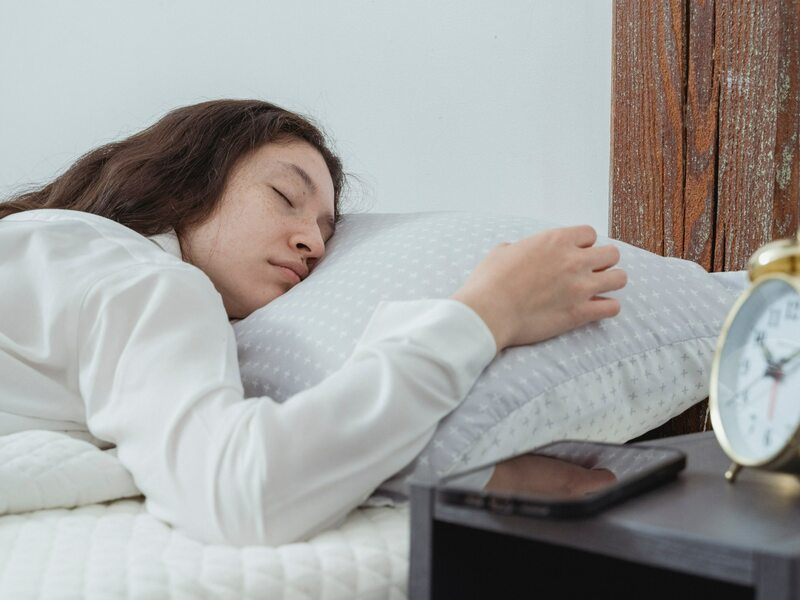
Many studies show that sleep is very beneficial for our body. Can this, contrary to established beliefs, prove something bad? Yes, those who decide to take a regular nap should be vigilant, because something bad can happen to their health.
Sleep, according to the American Heart Association, is one of the eight major factors affecting heart and brain health. Probably everyone likes this moment when during the day you can afford to take a break from everyday duties and take a little nap. However, it turns out that this is not always good. Studies have shown that people who sleep often have a higher risk of stroke and high blood pressure. Sleep in itself is not harmful, but for many people it can be associated with poor sleep at night and an attempt to make up for it during the day. This, in turn, is associated with poor health.
Higher blood pressure and stroke risk with regular sleep
About 360,000 people took part in the study, the results of which were published in the journal Hypertension. people from the UK (no history of high blood pressure or previous stroke). They were followed for an average of 11 years. The researchers collected data on their health habits as well as lifestyle. The subjects were also periodically asked how often they sleep. The researchers then divided them into three groups based on their daytime sleep habits (never or rarely, sometimes, usually).
The researchers used this information to analyze the association between a first stroke and high blood pressure. The study shows that People who napped during the day were 12 percent more likely to have high blood pressure and had a 24 percent increased risk of stroke.compared to those who did not sleep during the day. Most people stayed in the same sleep category throughout the study. However, there were also those who over the years began to take more naps - their risk of high blood pressure increased by 40 percent.
“The results show that sleep increases the risk of high blood pressure and stroke after adjusting for or accounting for many variables known to be associated with cardiovascular disease and stroke risk,” said Dr. Phyllis Zee, director of the Center for Circadian Medicine and Sleep. at the Feinberg School of Medicine at Northwestern University in Chicago.
Frequent sleep can be a wake-up call
However, sleep in and of itself is not a problem. Many of the subjects who slept regularly also smoked, drank alcohol, snored, and suffered from insomnia. Many of these factors can affect the quality and quantity of a person’s sleep. Poor sleep can cause excessive daytime fatigue, causing people to take naps.
Sleep specialist Raj Dasgupta, an associate professor of clinical medicine at USC’s Keck School of Medicine, says excessive daytime fatigue can be a warning sign of a sleep disorder. This, in turn, may be associated with increased stress and effects on weight-regulating hormones, and as a result, lead to obesity, as well as lead to factors associated with heart disease.
A nap that lasts from noon to 2 pm is a good idea if the person is not suffering from sleep deprivation. However, if it is associated with insomnia, experts do not encourage daytime sleep, because the consequence of this will be the risk of problems falling asleep in the evening.
Source: Wprost

I have worked in the news industry for over 8 years. I have a deep understanding of how the news industry works and how to get information out to the public. I am also an author at Daily News Hack, where I mostly cover health news. I have a keen interest in health and fitness, and I firmly believe that knowledge is power when it comes to taking care of your body. I want to help people live healthier lives by sharing my knowledge with them, and LinkedIn is the perfect platform for me to do that.