

Over time, our body undergoes many changes. Naturally, aging increases the risk of certain diseases. But, fortunately, there are superfoods that can be consumed regularly to slow down this process.
Posten writes about it.
The site cites data from the Cleveland Clinic (Cleveland Clinic - based in Cleveland, Ohio), a non-profit American academic medical center, which claims that there is no clear way to define what counts as a superfood, but it is, in fact, anything that contains a lot of different nutrients and has a minimum calorie content.
There are nutrient-rich superfoods that have been linked to slowing down the aging process.
“Some of our nutritional needs may change as we age, so adding some specific superfoods to your diet will help people not notice age-related changes.” says center employee Lauren Manaker, American nutritionist and author of The First Time Mom’s (Cookbook for Pregnant Women).
While there are many superfoods to help slow down aging in your 50s, 60s, and 70s, it’s best to focus especially on those 40+, she says. First, 40 is the perfect time to start establishing healthy habits. And secondly, at the age of 40, your body begins to undergo certain changes, such as loss of muscle mass, hormonal imbalance associated with menopause, etc.
She also names products that, in a certain sense, can claim the title of superfoods.
pistachios
“Free radicals attack healthy cells and damage them. This damage is believed to contribute to inflammation and the accumulation of oxidative stress.” Manaker says.
Together, this can accelerate aging at the cellular level and also plays a fundamental role in the development of chronic diseases, including heart disease and cancer. Health professionals recommend foods rich in antioxidants to protect healthy cells from free radical damage in the body.
According to Manaker, pistachios help fight free radicals due to their antioxidant properties.
A study by Cornell University and published in the journal Nutrients found that pistachios have a high antioxidant capacity, rivaling popular antioxidant-containing foods including blueberries, pomegranates, and more.
Evidence suggests that eating just a handful of pistachios as part of a normal diet can positively impact cellular aging and lifespan in people with prediabetes. Pistachios also contain lutein, an antioxidant carotenoid that helps maintain eye health.
Salmon
Another great superfood to help slow down the aging process is salmon, as well as many other types of oily fish.
“Salmon is an excellent source of lean protein, a nutrient important for maintaining muscle mass and especially important for older adults.” says Lisa Young, therapist, author of Finally Fed, Finally Fit.
Salmon is also rich in omega-3 fatty acids, which may reduce the risk of heart disease.
A study published in Neurology found that people in their 40s and 50s whose red blood cells contained higher levels of omega-3s had better cognitive functioning and overall brain structure than those who had lower levels of omega-3s.
Cranberry
If you’re a cranberry or cranberry juice lover, you’re in luck as this superfood has been found to slow down aging.
Cranberries contain plant compounds that may help slow down the aging process, especially if you focus on cognitive aging.
There is evidence that consuming one small cup of cranberries daily for three months can improve memory performance and nervous system function. In addition to the cognitive benefits of this berry, it is also a source of vitamin C, a nutrient that may help the body fight the effects of free radicals on aging skin.
Tomatoes
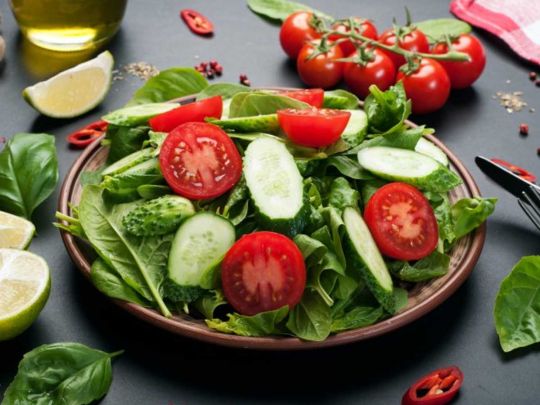
Tomatoes are an important superfood to help slow down aging.
They contain the antioxidant lycopene, which fights free radicals that occur with aging. Lycopene, a plant compound also found in watermelon and pink grapefruit, is known for its many health benefits.
A high intake of lycopene has been found to help lower cholesterol levels, improve cardiovascular health, and help reduce the risk of heart disease, stroke, and even prostate cancer in men. And, in addition to all these anti-aging benefits, lycopene is known to help reduce skin photodamage.
Strawberry
“Strawberries are a source of vitamin C and plant compounds” Manaker says.
Getting enough vitamin C can help protect the body from age-related cognitive decline, according to a study published in the journal Alzheimer’s Disease.
“Some evidence suggests that eating berries more than twice a week can slow cognitive aging by 2.5 years.” Manaker says.
Berries can also help protect our cells from free radical damage and reduce the risk of heart disease and cancer.
Dark green leafy greens
Leafy greens (like spinach) are rich in vitamins E and K, which can prevent memory loss and help slow down the rate of brain aging.
The study certainly confirms this as well. A study published by the American Academy of Neurology concluded that one serving of leafy greens a day was associated with less age-related cognitive decline.
But the benefits of dark leafy greens don’t end there. Not only does dark leafy greens improve your cognitive health as you age, but experts say they contain carotenoids that protect your eyes from oxidative damage. And spinach, in particular, is also rich in antioxidants, vitamins A and C, which protect the heart.
Recall that pistachios should not be abused by people with hypertension, because salt, which is part of the finished product, increases pressure. However, they are a good product to ensure productive sleep.
Source: Fakty

I have worked in the news industry for over 10 years. I have a deep understanding of how the news industry works and how to get information out to the public. I am also an author at Daily News Hack, where I mostly cover health news. I have a keen interest in health and fitness, and I firmly believe that knowledge is power when it comes to taking care of your body. I want to help people live healthier lives by sharing my knowledge with them, and LinkedIn is the perfect platform for me to do that.